

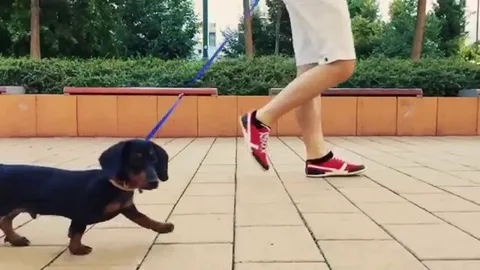

Puppies develop social patterns sooner than many people realize, and the pattern of early walks can determine a dog’s responsiveness or calmness. The early months establish a puppy’s attitude toward people, noise, and shared areas. Walking is the process of turning ordinary events into learning opportunities. A systematic puppy walk system provides rhythm and direction, teaching young dogs about the world without fear. This regular experience promotes confidence that extends past puppyhood.
Early in local discussions about Edgewood NE DC puppy walking, the true need is often indicated in social issues. Pet owners want calm dogs, not anxious ones.
Why Early Social Exposure Shapes Lifelong Behavior
Social development starts before formal training begins. Puppies absorb cues from every step outside. Cars pass, neighbors wave, and unfamiliar sounds appear. Structured walking introduces these elements slowly and predictably. That pace prevents overwhelm and supports healthy reactions.
Next, repetition teaches patterns. Puppies learn that new sights come and go without danger. This lesson builds emotional balance and reduces fear responses later. Calm exposure during walks creates a steady foundation for adult behavior.
Structured Walking Creates Predictable Learning Moments
Predictability helps puppies feel safe. Each walk follows a similar flow, such as leaving home calmly, moving at a steady pace, and returning without excitement. That structure teaches puppies what to expect. When expectations feel clear, anxiety drops.
Helpful elements inside structured walks include:
- Consistent start times
• Calm leash handling
• Gentle exposure to movement
These moments add clarity. Over time, puppies begin to relax into the routine and respond more calmly in public spaces.
Social Confidence Grows Through Small Interactions
Confidence builds in quiet ways. Passing a jogger, hearing a bus, or noticing another dog from a distance all count as progress. Structured puppy walking turns these moments into lessons rather than stress points. Puppies learn observation before reaction.
For example, pausing briefly allows a puppy to process the scene. Next, moving forward reinforces trust in the handler. This rhythm helps puppies stay curious instead of fearful. Social confidence grows step by step.
Why Urban Environments Need Extra Structure
City settings add layers of stimulation. Traffic noise, tight sidewalks, and frequent encounters challenge young dogs. Structured walking keeps exposure controlled. Puppies experience urban life without overload.
In areas connected to Edgewood NE DC puppy walking, this balance matters deeply. Calm pacing and planned routes help puppies adapt to busy surroundings. Social skills develop naturally when walks stay organized and predictable.
Walking Builds Focus Before Training Sessions Begin
Focus begins outside the home. Structured walking teaches puppies to check in with the handler. Eye contact, pace matching, and leash awareness appear naturally. These behaviors support later obedience work.
Next, mental energy releases through movement. A calm body supports a calm mind. Puppies arrive at training sessions ready to listen because their needs already received attention. Walking sets the tone for learning success.
Consistency Matters More Than Distance for Puppies
Long walks rarely suit young dogs. Short, frequent walks work better. Consistency in timing and approach helps puppies understand daily rhythms. That understanding lowers stress and prevents overstimulation.
Midway through many care routines, owners exploring Mount Rainier MD puppy walking notice easier evenings. Puppies settle faster and show fewer stress signs. Consistency shapes calm behavior more than mileage ever could.
Social Boundaries Form Through Guided Exposure
Puppies need help learning boundaries. Structured walking introduces social rules gently. Not every person greets the puppy. Not every dog interaction happens. This guidance teaches patience.
Helpful walking boundaries include:
- Passing without greeting
• Sitting briefly near distractions
• Moving away calmly when needed
These lessons teach self-control. Puppies learn that calm behavior leads to progress. Social skills improve without force or pressure.
Mental Stimulation Supports Emotional Balance
Walking stimulates more than muscles. Smelling, observing, and navigating space engage the brain. Mental work reduces nervous energy. Puppies return home satisfied rather than restless.
In addition, structured walks limit chaotic movement. Calm exploration replaces frantic pulling. This balance supports emotional stability and improves behavior inside the home. Puppies rest better after mentally engaging walks.
How Structured Walking Reduces Future Reactivity
Reactivity often begins with missed early exposure. Structured walking fills that gap. Puppies learn to process stimulation slowly. Loud sounds lose power. Crowded sidewalks feel manageable.
Next, repetition reinforces calm reactions. Puppies gain trust in guidance rather than reacting impulsively. This early investment reduces barking, lunging, and fear responses later. Walking becomes prevention, not correction.
Why Professional Puppy Walking Adds Extra Value
Experience matters during early development. Professional walkers read body language and adjust pacing. Puppies receive guidance suited to their age and temperament.
In communities focused on Mount Rainier MD puppy walking, professional structure helps puppies adapt smoothly to shared spaces. That support protects confidence during critical growth stages.
Building Confident Puppies Starts Outside the Door
Danny’s Pet Care views puppy walking as a foundation for lifelong behavior. We focus on calm routines, gentle exposure, and steady guidance. Puppies learn trust through consistency. We support early development so families enjoy relaxed walks and confident dogs from the very beginning.
FAQs: Structured Puppy Walking and Social Development
Q1 How does structured puppy walking help social skills?
A1 Structured walks introduce controlled exposure. Puppies meet new sights calmly, which builds confidence and reduces fear responses over time.
Q2 When should puppy walking routines begin?
A2 Walking routines can start early after vet approval. Short walks support social learning during key development stages.
Q3 Can structured walking reduce puppy anxiety?
A3 Yes, predictable walks lower uncertainty. Puppies feel safer when routines stay consistent and calm.
Q4 How long should puppy walks last?
A4 Short walks work best. Five to fifteen minutes supports learning without causing fatigue.
Q5 Does walking replace socialization classes?
A5 Walking supports social learning. Classes add value later, but daily walks build real world confidence first.


