

What Does a Professional Pet Sitter Actually Do During a Visit?

Local pet sitter DC Most pet owners picture a pet sitter as someone who shows up, fills a bowl, and leaves. The reality is very different, and once you see what a skilled Local Pet Sitter in DC actually does during a visit, you’ll understand why so many pet owners refuse to settle for anything less.
It’s More Than Feeding and Walking
A professional pet sitting visit covers a surprising amount of ground in a short amount of time. From the moment the sitter walks through your door, the focus shifts entirely to your pet’s comfort, safety, and emotional state.
Feeding is part of the visit, yes, but it’s just the starting point. A trained pet sitter in Washington, DC pays attention to how much your pet eats, whether they seem eager or reluctant, and whether anything looks off compared to the last visit. Those small observations often catch health issues before they become serious problems.
A Closer Look: What Happens Step by Step
Arrival and Initial Check-In
The first thing a professional sitter does is read the room. Is the pet calm? Anxious? Hiding? Excited? That quick read shapes everything that follows. A good sitter doesn’t charge in with high energy; instead, they let the pet set the tone for the interaction.
They’ll do a quick walk-through of the space to make sure nothing looks out of place, no water bowl knocked over, no signs of distress, no messes that need immediate attention. This home check-in also gives you peace of mind that your property is secure while you’re away.
Feeding and Hydration
Meals are served according to your exact instructions. The right amount, the right food, the right time. Fresh water gets refreshed at every visit, not just when the bowl looks low. For pets on special diets or with medication needs, the sitter follows your written instructions carefully and confirms completion after each visit.
Bathroom Breaks and Exercise
Dogs need outdoor time, and a professional local pet sitter in DC handles that with consistency. Whether it’s a short bathroom break or a longer walk through the neighborhood, the goal is to give your dog enough movement and stimulation to stay settled and comfortable until the next visit.
Cats don’t need walks, but they do benefit from active playtime. A few minutes with a wand toy or a laser pointer can reduce restlessness and keep indoor cats mentally engaged.
Companionship and Observation
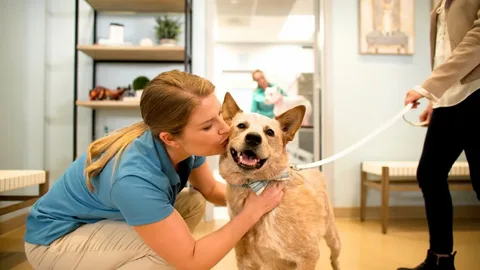
This part often gets overlooked, but it matters enormously. Pets aren’t just fed and walked; they’re kept company. A sitter who sits on the floor with a nervous dog, or simply reads quietly near a shy cat, provides the kind of calm presence that lowers anxiety and builds trust over time.
Observation runs alongside every moment of that companionship. Is the dog limping slightly? Is the cat avoiding the litter box? Has the pet been drinking more water than usual? These are the kinds of things a professional notices and reports back to you.
Litter Box and Light Cleanup
For cat households, litter box maintenance happens at every visit. A clean box isn’t optional; it directly affects your cat’s willingness to use it and reduces stress-related behavior. Light cleanup around feeding areas is also standard, keeping your home tidy while you’re gone.
End-of-Visit Update
Before leaving, a professional pet sitter sends you an update. This might include a quick note on how the pet seemed, what was eaten, how the walk went, or anything unusual that caught their attention. That communication keeps you connected to your pet even when you’re miles away.
Why This Level of Care Matters for Your Pet
Pets thrive on routine and consistency. When someone shows up at the same times, follows the same steps, and responds to your pet’s mood with patience, your pet feels safe. That sense of safety reduces anxiety, prevents behavioral problems, and keeps your pet healthier over time.
This is exactly why in-home pet care tends to work better than boarding for many animals. The environment stays familiar, the routine stays intact, and your pet gets one-on-one attention instead of being one of many in a busy facility.
Stop Guessing; Start Knowing Your Pet Is in Good Hands
Now that you know what a professional visit actually looks like, you can make a smarter choice for your pet. Not every sitter operates this way, and that difference shows up in how your pet behaves when you come home.
Danny’s Pet Care serves pet owners across Washington, DC and nearby neighborhoods with exactly this standard of care. Our team of experienced pet sitters in Washington, DC follows your pet’s routine closely, communicates after every visit, and treats your home and your animal with genuine respect. Hence, schedule a meet-and-greet and see the difference professional pet sitting makes.
Frequently Asked Questions
Q1. How long does a typical pet sitting visit last?
A1. Most visits run between 30 and 60 minutes, depending on your pet’s needs. Dogs that require longer walks or pets needing medication may need extended visits. A reliable pet sitter in Washington, DC will work out the right schedule with you upfront.
Q2. Will the same sitter come every time?
A2. Consistency matters for pets, and a trustworthy local pet sitter in DC will aim to send the same person for each visit so your pet builds familiarity and comfort over time.
Q3. What happens if my pet seems sick during a visit?
A3. A professional sitter will contact you immediately, describe the symptoms, and follow your instructions on the next steps. If you’re unreachable and the situation seems urgent, a responsible sitter won’t wait; they’ll take action to get your pet the help it needs.
Q4. Can a pet sitter handle pets that are shy or anxious around strangers?
A4. Yes. Experienced pet sitters in DC know how to work with nervous animals. They move slowly, use calm voices, and let the pet lead the interaction rather than forcing contact.
Q5. Do I need to be home for the first visit?
A5. Most pet owners prefer to be present for the initial meet-and-greet so the pet can see you welcome the sitter. After that, visits typically happen while you’re away, and your sitter uses a key or lockbox you provide.


